
HOME > PERSPECTIVES > AI
A.I.
AI is a subject often approached with either existential speculation or unchecked optimism. As more and more of our daily lives are moderated by this fast-moving technology, our work helps clients better understand and respond to its growing influence on society and culture. By combining our human-centred approach with expert-led knowledge, we can both identify current behaviours and norms around AI, as well as reimagine how this technology could be used to solve the biggest human and social challenges of the future.
The AI Series
How to build strategies in partnership with AI? How to resist the gravitational pull towards groupthink? How to successfully integrate AI into a company’s culture?
perspectives on A.I.
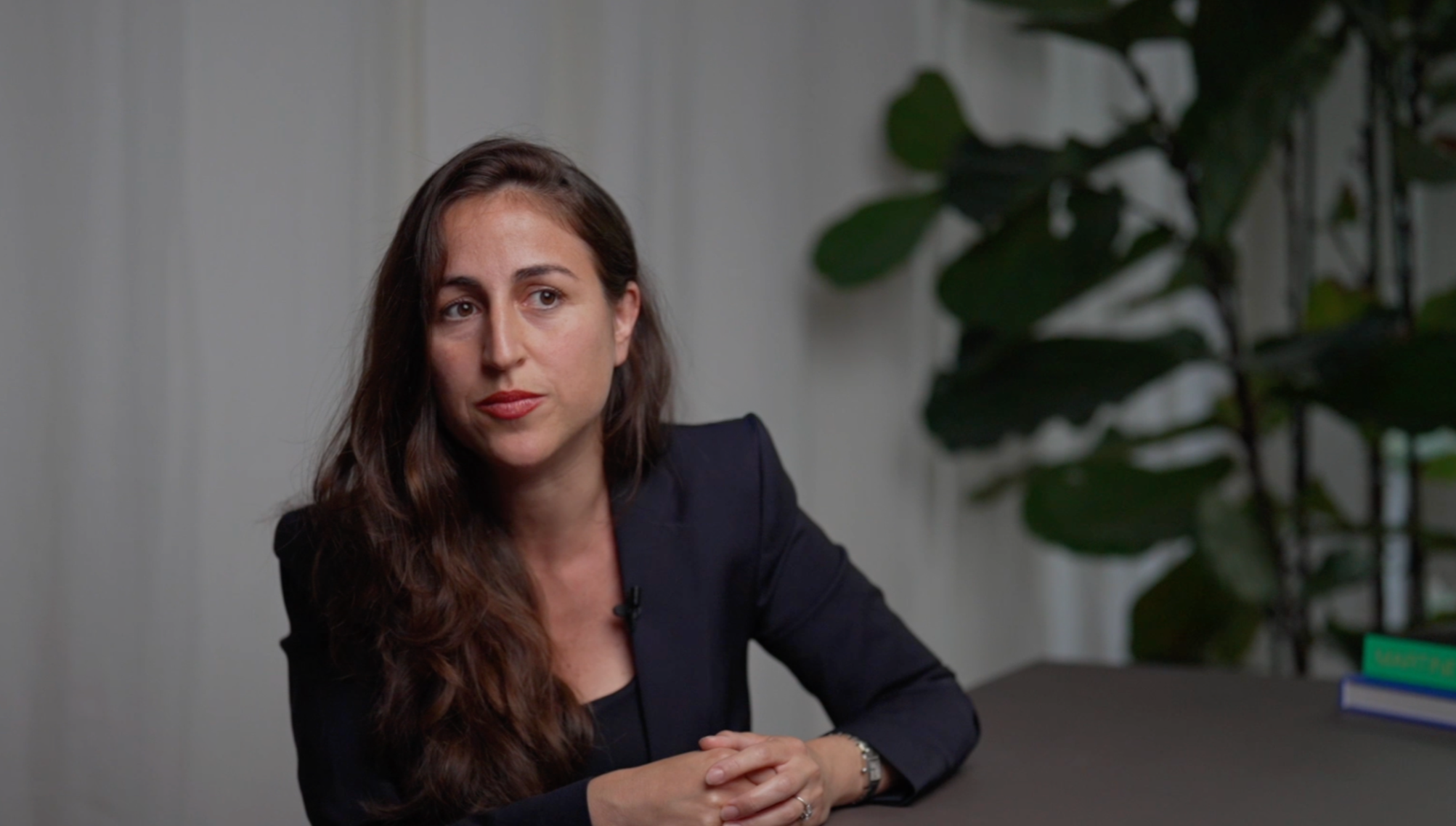
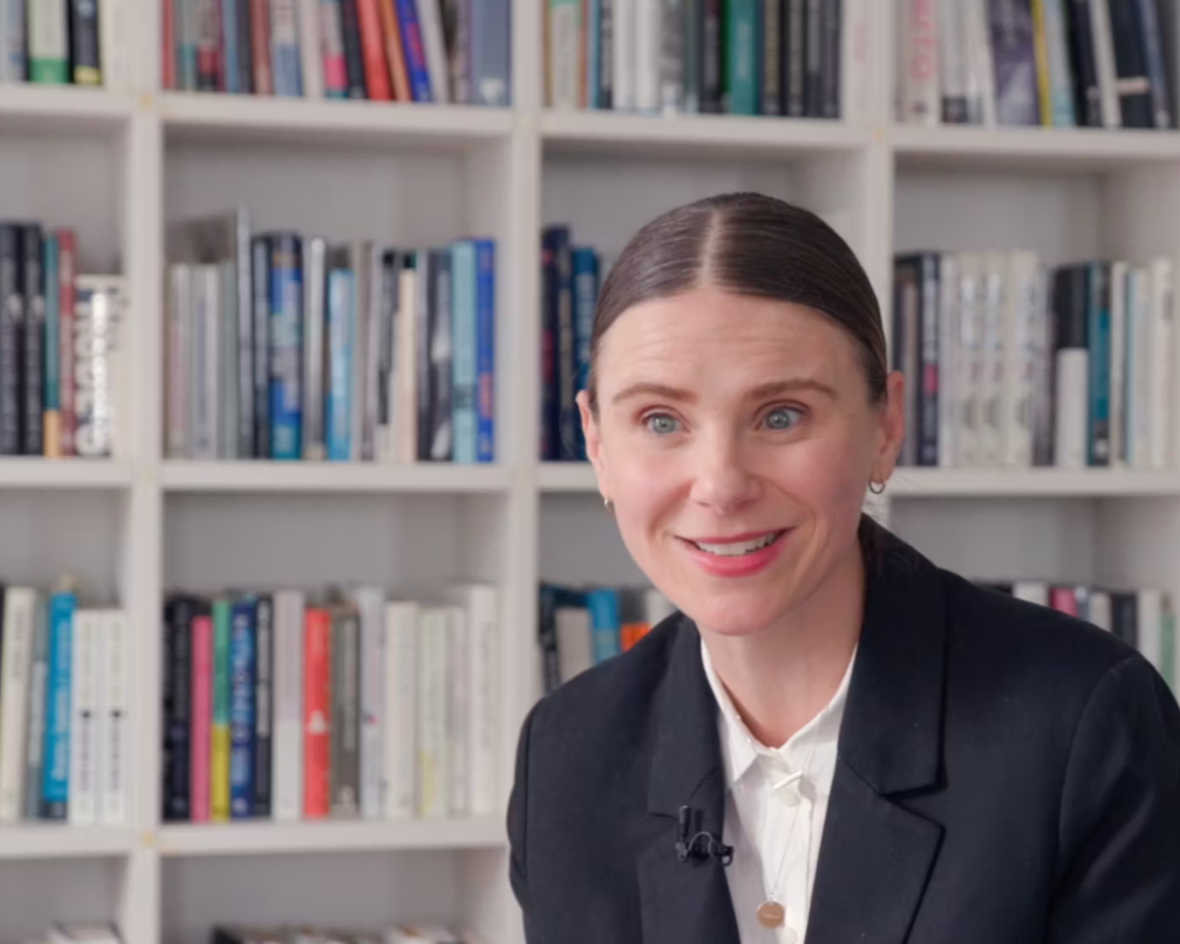
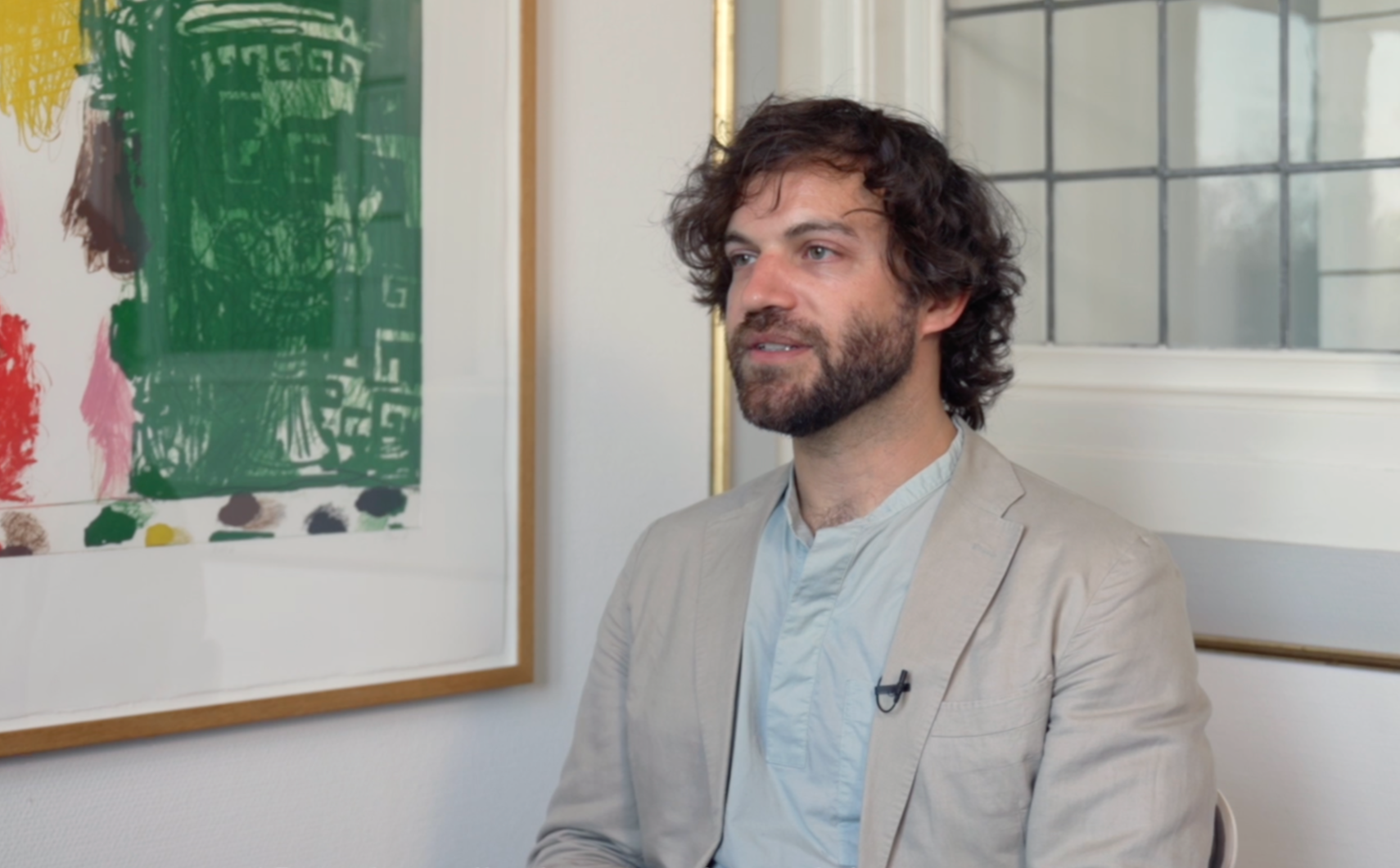
ReD’s Morgan Ramsey-Elliot and Mikkel Krenchel on the untapped potential of AI’s social superpowers and the case for more solutions built for “us” rather than “me”.
There’s an assumption that people want algorithms to serve up frictionless experiences, but our work shows something different. People want to have relationships and dialogues with algorithms and hack them toward different ends – in other words, social algorithms.
A list of articles, Twitter threads, blog posts, podcasts, and books is an attempt to cut through the unchecked hyperbole and direct you to the most interesting angles on the topic.
From fashion brands to Silicon Valley giants, virtually every company is trying to make algorithms work for their business.
DALL-E 2 has been inspiring endless rumination on the future of technology and art: will DALL-E be a new creative tool or the death of art altogether?
As people flock to the fields of 'responsible AI,’ ‘AI ethics,’ and ‘AI governance’ that are all about shaping AI towards what is helpful for humanity, it is time we ask: where are the ethnographers and applied anthropologists?
When it comes to rolling out groundbreaking innovations like the metaverse, getting social norms right is more important than the tech itself.
ReD hosted Max Brooks to discuss the power of metaphor to strengthen storytelling and why the tech industry should ban the word “disruption”.
Mikkel Krenchel and Maria Cury discuss the potential promise and pitfalls of the synthetic data revolution underway.
As companies roll out haptic technology that mimics the sensation of weight and touch of real objects when handled in virtual space, it’s important we keep the technology in the background to ensure our hands, and humans, can learn, collaborate, and shine on their own.
This podcast explores which problems require interdisciplinary collaboration and how teams with radically different world views can get it right.
We’ve seen the discourse around privacy work its way from the headlines to the dinner table, and through our fieldwork we’ve listened to everyday families discuss what it means for them.
Martin Gronemann and Sebastian Barfort look at how to integrate data and analytics into your organization to make a lasting impact.
A moderate approach believes AI can be a powerful force for good. But to understand AI risks and opportunities, we first must understand what we mean by it.
In this volume chapter, former ReD Associates partner William “Bill” Welser discusses decision-making around privacy and technology.
The more we rely on robots, AI, and machine learning, the clearer it is how much we need social scientists and humanities experts–not the reverse.
Critical thinking feels almost revolutionary in the context of deep learning and AI. But perhaps it’s just what we need.
At the heart of affective computing are three misguided ideas about what human emotions are.
If Facebook is serious about becoming the social index for the entire web, it needs to make itself a more hospitable place for outside web page content to live.
Foursquare has also cultivated some bizarrely anti-social behaviour in a subset of its users.
The use of your real ID online has become an issue of moral uprightness — yet don’t we all want accountability and reliability for all users?
In a poll, we found that most people wish that Facebook would help them deepen their friendships in the real world.